Lupfer Landscaping
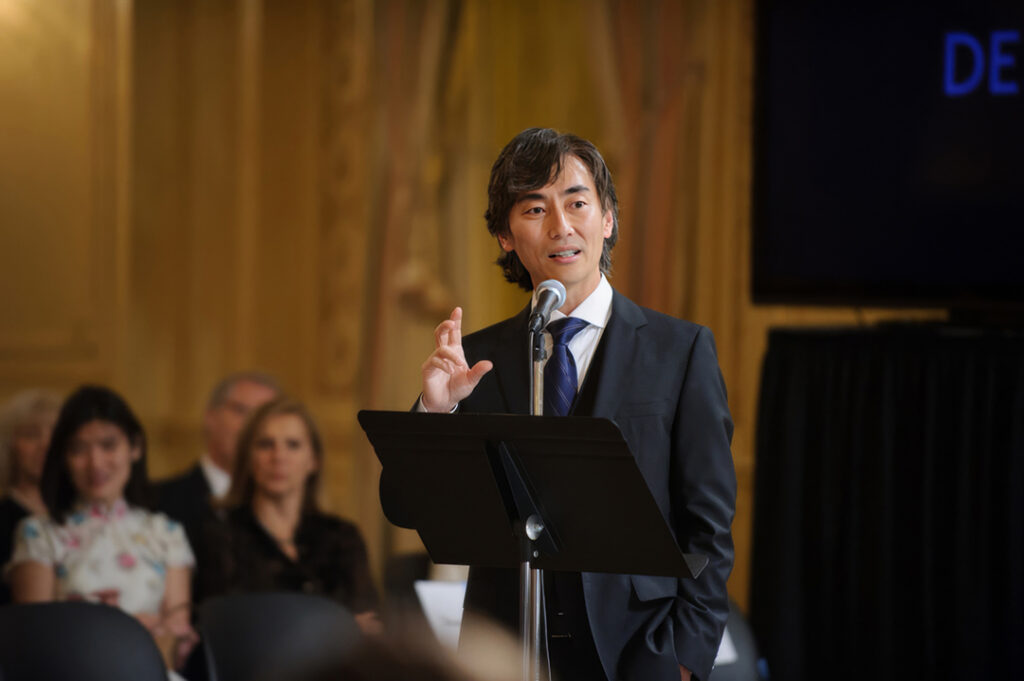
During a recent journey to Japan, Lupfer Landscaping president Tom Lupfer immersed himself in centuries-old garden traditions that reshaped how he approaches landscape design. Walking through historic stroll gardens in Tokyo once built for Shoguns and Daimyo, studying the quiet restraint of Zen gardens in Kyoto, and learning directly from the experts who maintain these spaces, Tom gained a deeper understanding of how intentional design unfolds over time.
“What struck me most was the patience,” Tom says. “These gardens aren’t designed to impress all at once. They’re meant to reveal themselves slowly, changing with the seasons and with the person experiencing them.”
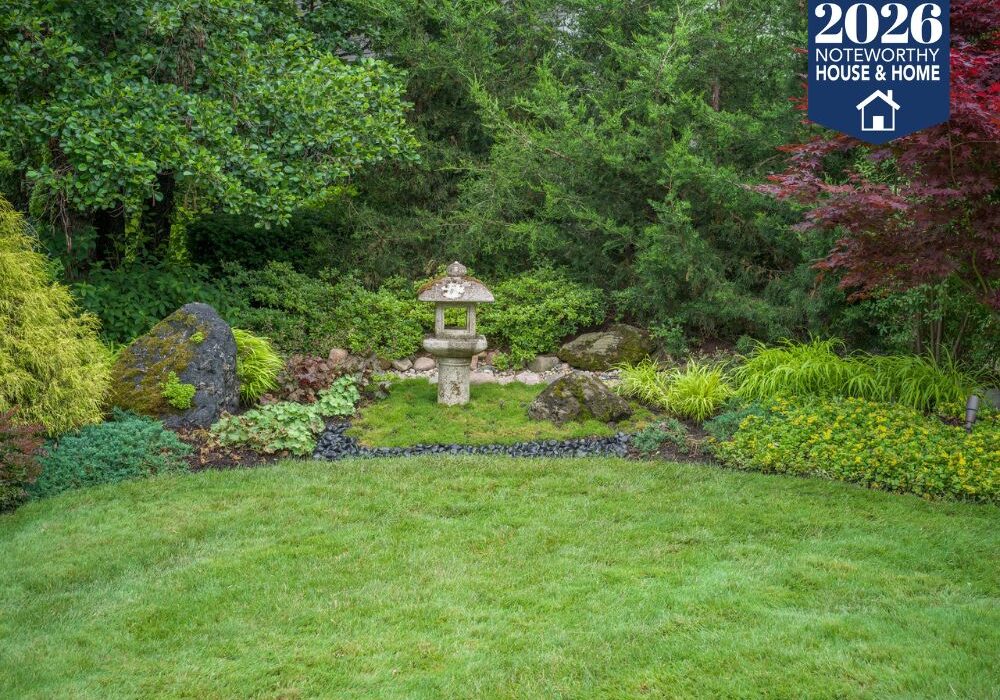
That philosophy came to life in a residential project that would later earn Lupfer Landscaping a Gold Award from Landscape Illinois in the Boutique Category. Inspired by the principles Tom studied abroad, the property was designed as two distinct but connected experiences: a formal Western-style garden at the front of the home and a contemplative Japanese-style garden at the rear. Clipped boxwood hedges and shrub roses complement the home’s American Colonial Revival architecture, while the backyard invites reflection through layered plantings, stone elements, and carefully choreographed movement through space.
Traditional Japanese garden design is inherently evolutionary. In this project, certain plantings, including azaleas, were intentionally introduced years after installation, once surrounding trees had matured enough to create the appropriate shade. Stillness and motion were balanced through contrasting elements such as cascading grasses, leaning trees, and “spill stones,” alongside moments of calm marked by sculptural features and meditative focal points.
“A garden will tell you what it wants to become if you’re willing to listen,” Tom explains. “Our job is to guide it, not force it.”
Custom features such as a koshikake, or waiting bench, were designed as transitional spaces where visitors can pause and compose themselves. A Japanese rain chain allows water to cascade visibly during storms, while a traditional stone wash basin marks entry into a more sacred portion of the garden. One of the project’s most meaningful elements, a 150-year-old stone lantern sourced in Kyoto, was lit only at the very end, symbolizing completion and the client’s original vision for a contemplative retreat.
The project also presented real challenges, from resolving complex drainage issues to adapting iconic Japanese plants to a Midwest climate and educating the client on the specialized, long-term maintenance the garden would require. Its success was rooted in collaboration and trust, culminating in an award that recognized not just beauty, but thoughtful execution.
For Lupfer Landscaping, the recognition affirmed a design philosophy built on patience, intention, and respect for place. Rather than replicating Japanese gardens, Tom applies their underlying principles—restraint, balance, and longevity—to landscapes designed to grow richer and more meaningful over time.
 Lupfer Landscaping
8737 Ogden Avenue, Lyons, Illinois
708-442-2554 | lupferlandscaping.com